






1. A commissioner for oaths cannot certify a copy
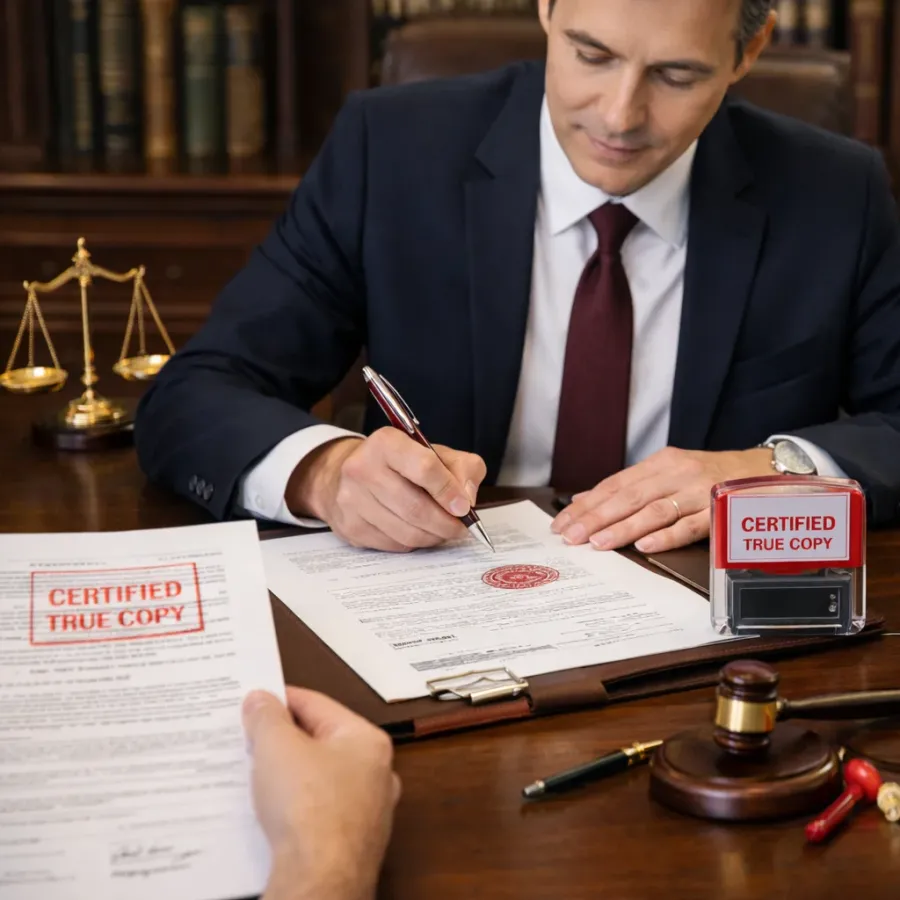
The two stamps look equally official, and only one of them can state that a photocopy matches an original. Certifying copies is a notarial act. If a form asks for a certified true copy, a commissioner's stamp will not satisfy it — what a certified true copy actually certifies.
2. The document was signed before the appointment
An affidavit or statutory declaration has to be signed in front of the person administering the oath. A form signed at the kitchen table has to be sworn again, which usually means reprinting it. Bring it unsigned.
3. The original stayed at home
A certified copy is made by comparing the copy to the original in the room. A scan, a photo on a phone, or an earlier certified copy gives the notary nothing to compare against, so the act cannot be performed at all.
4. The document is going abroad and stops at the notary
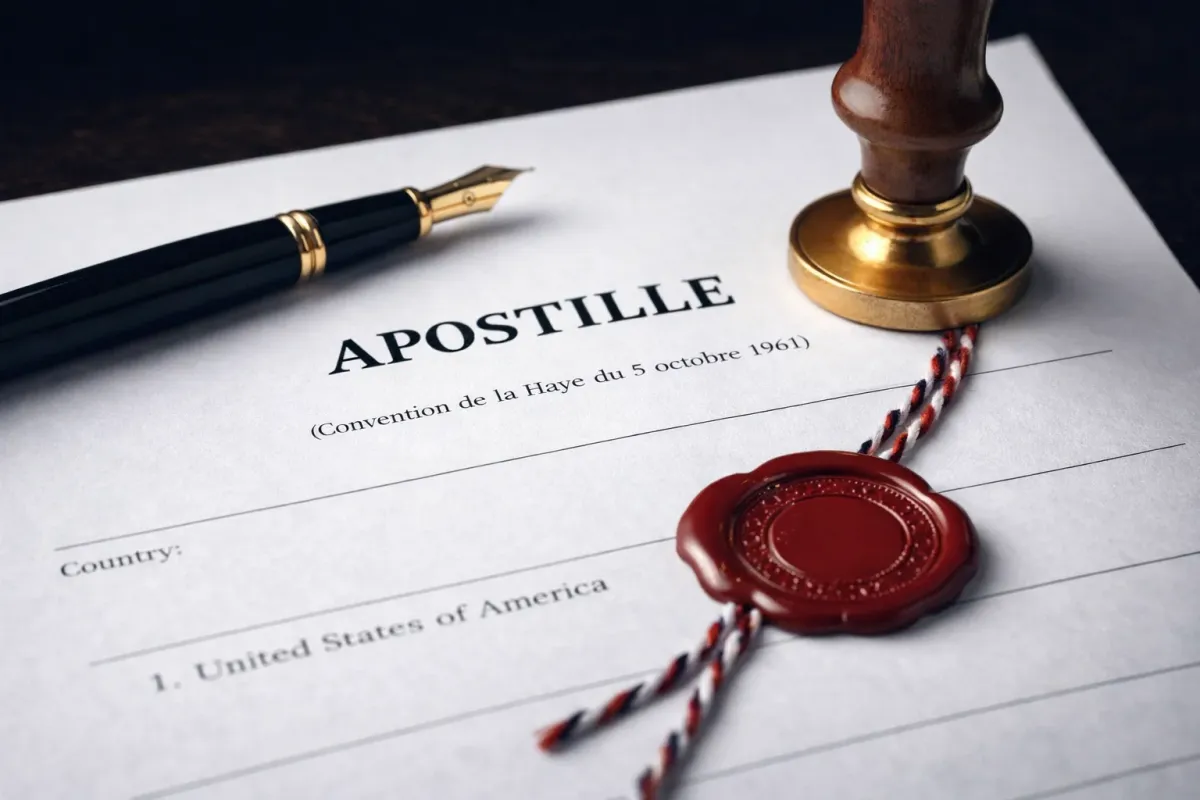
For use outside Canada the notarisation is usually step one of two. Since 11 January 2024 the second step for more than 120 countries is a single provincial certificate rather than a consular chain — how the apostille works in Ontario.
Two questions answer nearly all of it before you leave the house: who is receiving this document, and do they need it usable outside Canada. The institution asking for the paperwork is the authority on both, and they will tell you for free.
Frequently Asked Questions
Do I need an appointment, or can I walk in?
Both work. The office is open seven days a week and walk-ins are taken as they arrive, but a booked slot means you are seen at a known time — useful if the document is long or several people have to sign together.
What identification do I need to bring?
Valid government-issued photo identification: a driver’s licence, passport, Ontario photo card or PR card. A health card is not used for identification in this context. Everyone who signs must attend and be identified separately.
Can you notarize a document written in another language?
A signature can be witnessed and an oath administered whatever the language of the document, as long as the person signing understands what they are signing. Some receiving institutions additionally require a certified translation, so ask them before the appointment.